- Bioderma Atoderm 25%Nuxe Sun 25%View all promotions
- A
- B
- C
- D
- E
- F
- G
- H
- I
- J
- K
- L
- M
- N
- O
- P
- Q
- R
- S
- T
- U
- V
- W
- X
- Y
- Z
A-Cerumen A-Derma Abena Aboca Absorvit Accutrend ACM Acnacalm Actimove Actinica ActiProct Acutil ADA Comfort Advancis Aero-Om AeroChamber Aftaspray Aftum Gel AGA Ainara Akileine Aktuva Algasiv Alifar Alkagin All Test Aloclair Alpecin Alvitone Amedial ammo Ampliphar Anabox Angelicalm Angelini Anima Strath Animativ Ansiwell Antigrippine Antimetil Apaisac Apivita Aposan Aptamil Aquilea Aquoral Arcid Arkopharma Armolipid Arnidol Arnigel See more
Deliveries in 72H (weekdays)
en

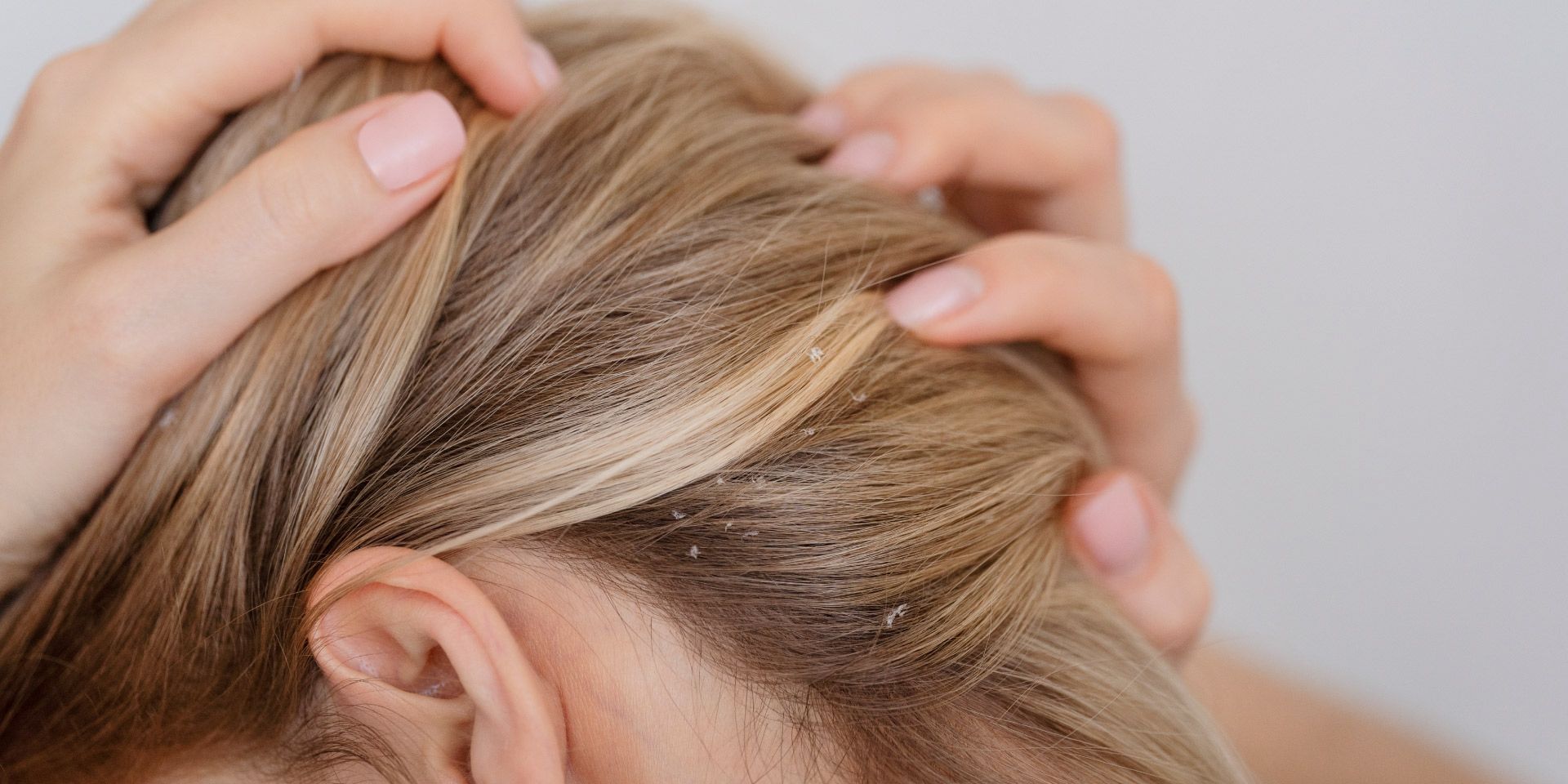
Differences between dry dandruff and oily dandruff – and how to treat them
Dandruff is one of those issues that seems “simple” but can become persistent if the underlying cause is not correctly identified. Some people experience flaking with a tight, dry scalp (more typical of dry dandruff), while others notice larger, yellowish scales, oiliness and itching (more commonly linked to oily dandruff).
And here is the key point: treatment for dry dandruff should not be the same as treatment for oily dandruff. The wrong shampoo can worsen the problem — either by over-drying the scalp or by failing to control excess sebum and microbial proliferation.
In this Fahma guide, we explain the differences, how to identify what is happening on your scalp, and how to choose the right anti-dandruff shampoo, with specific recommendations for each need.
What is dandruff and why does it appear?
Dandruff is a form of scalp flaking. In many cases, it is linked to an imbalance of the scalp microbiome (particularly yeasts from the Malassezia genus), associated with inflammation, excess oil production or a weakened skin barrier.
Dandruff can appear (or worsen) due to several factors:
Stress and hormonal changes
Temperature fluctuations (cold weather, wind, indoor heating)
Harsh products or improper washing
An oily scalp
Skin sensitivity and dehydration
Dry dandruff vs oily dandruff: what are the differences?
Dry Dandruff
Dry dandruff typically presents with:
Small, white, loose flakes
A tight, dry-feeling scalp
Mild to moderate itching
Worsening in winter or with harsh washing
Here, the scalp barrier is more fragile and reactive. The goal is to treat flaking without further drying the scalp.
Oily Dandruff
Oily dandruff usually involves:
Larger, sometimes yellowish flakes that adhere to the scalp
An oily scalp, heavy roots and quick shine
More intense itching
Possible association with inflammation and, in some cases, seborrhoeic dermatitis
In this scenario, the focus is on regulating sebum production and reducing microbial overgrowth without irritating the scalp.
How to tell if you have dry or oily dandruff
Three simple questions can help:
Are the flakes fine and do they fall easily onto your shoulders? It is most likely dry dandruff.
Do the flakes seem “stuck”, larger, and does your scalp become oily quickly? It is most likely oily dandruff.
Is the itching intense and constant?
It could be oily dandruff, seborrhoeic dermatitis or a reaction to products. If persistent, professional evaluation is advisable.
How to treat dandruff: what actually works?
An effective treatment usually relies on three pillars:
1) Choosing the right anti-dandruff shampoo (for your type)
This is where many people go wrong — using “just any dandruff shampoo” and expecting results.
2) Respecting the contact time
Many anti-dandruff shampoos require 2–3 minutes of contact with the scalp before rinsing (always follow instructions).
3) Staying consistent
To eliminate dandruff and prevent recurrence, it is common to start with an intensive phase (several washes per week), followed by maintenance.
Best anti-dandruff shampoo options for different needs
For General Dandruff – Klorane Dandruff Shampoo
Klorane Galanga Anti-Dandruff Shampoo is an excellent option for regular use, offering a balanced approach to reducing flaking and improving scalp comfort.
Ideal when dandruff is recurrent but not associated with extreme oiliness or intense dryness.
For Oily Dandruff – regulating sebum and adherent flakes
When the scalp produces excess oil, opt for formulas specifically developed for oily dandruff:
Ducray Squanorm Oily Dandruff: suitable for oily dandruff with adherent scales and discomfort.
ISDIN Nutradeica Oily Anti-Dandruff Shampoo 200ml: particularly focused on oily scalp conditions associated with flaking and irritation.
Vichy Dercos Oily Anti-Dandruff Shampoo: suitable when dandruff is accompanied by oiliness and the need for longer-lasting cleansing without excessive aggression.
For Dry Dandruff – treat without over-drying
If you experience dryness, tightness and finer flakes, prioritise formulas that treat flaking while maintaining comfort:
Ducray Squanorm Dry Dandruff: suitable for dry dandruff with fine scaling, focused on comfort.
ISDIN Nutradeica Dry Dandruff: a versatile option when flaking and sensitivity coexist and you prefer a simple, consistent routine.
Vichy Dercos Dry Dandruff: ideal for those seeking an anti-dandruff shampoo specifically targeted at drier, more sensitive scalps.
“How to Get Rid of Dandruff Quickly?” What you can realistically expect
Many people search for how to eliminate dandruff quickly. In some cases, improvement is noticeable within the first few washes — but the goal is not simply to “remove dandruff today”, it is to control the underlying cause to prevent recurrence.
In general:
Initial improvement: within 1 week (with correct use)
More stable control: 2–4 weeks
Maintenance: 1–2 washes per week with a suitable shampoo, as needed
Common mistakes that cause dandruff to return
Washing with very hot water
Frequently switching products and irritating the scalp
Applying conditioner or mask to the roots
Using harsh shampoos when you have dry dandruff
Using overly rich formulas when you have oily dandruff
When should you seek professional advice?
If itching is intense, if there are sores, pain, marked inflammation, associated hair loss or if dandruff persists despite four weeks of correct routine, it is important to seek professional guidance.
It may not be simple dandruff, but another scalp condition.
Treating dry and oily dandruff starts with the right diagnosis
The difference between dry dandruff and oily dandruff is not merely cosmetic — it defines the entire treatment approach.
By identifying your pattern (dryness vs oiliness), it becomes much easier to choose the best anti-dandruff shampoo and maintain a comfortable, balanced and flake-free scalp.
At Fahma, you will find a complete selection of anti-dandruff shampoos for different needs — from solutions for oily dandruff and reactive scalps to specific formulas for dry dandruff and scalp discomfort.
Last posts
Benefits of thermal water in your daily routine: …
Thermal water is one of those products that many people are familiar with, but do not always know exactly how to use or why …
10/05/2026
How to combine serums, creams and sunscreen for …
If you invest in quality skincare products but feel that your skin is not responding as expected, there may be one detail …
22/04/2026

Anti-ageing routines: the essential ingredients …
In a market saturated with promises, choosing an anti-ageing cream can become a complex task.
Anti-wrinkle, anti-ageing, …
10/04/2026